Who We Are?
Organizational Background
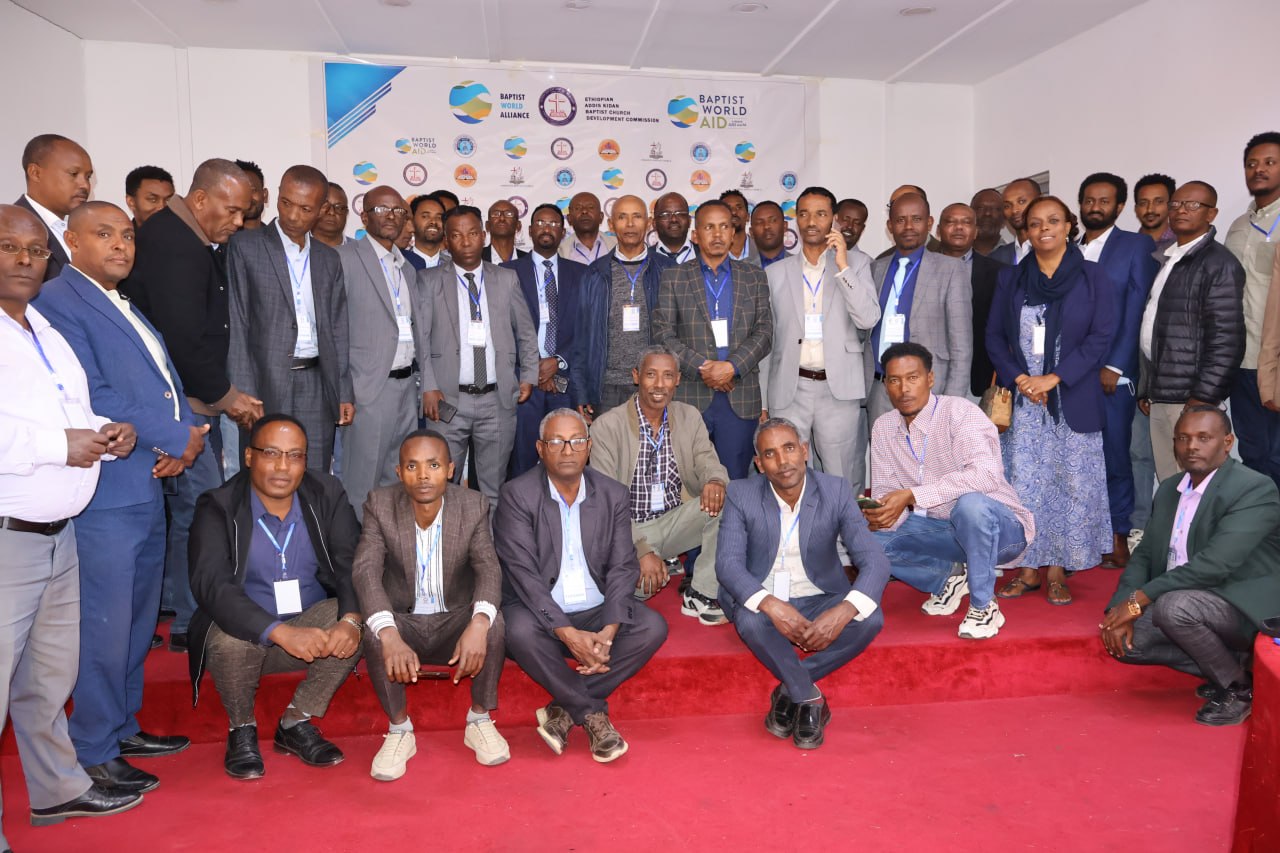
Ethiopian Addis Kidan Baptist Church Development Commission (EAKBC-DC) is an indigenous, non-profit NGO founded in 1999 to empower marginalized communities in Ethiopia. Operating in Addis Ababa, Amhara, SNNP, and Oromiya regions, EAKBC-DC implements five key programs: Agriculture & Food Security, Livelihood Enhancement and Women Empowerment, Disaster Response, WASH & Health, and Child Development and Education. To date, it has directly supported over 30,000 beneficiaries and indirectly impacted approximately 175,000 individuals.
The organization has facilitated basic education for destitute children, with many advancing to university and securing employment. It has also enhanced the productivity of young farmers, provided vocational training for secondary school completers, and supported young women in improving their livelihoods through self-help groups (SHG) and income-generating activities (IGAs). Additionally, EAKBC-DC has assisted internally displaced persons (IDPs) in overcoming hunger and improving rural health by ensuring access to safe water and sanitation facilities.
Our Rules
“A transformed society where people and communities overcome poverty, thrive, and achieve sustainable self-reliance”
Our Vision
A transformed society where people and communities overcome poverty, thrive, and achieve sustainable self-reliance.
Our Mission
To serve as an agent of holistic transformation by facilitating pathways out of poverty through sustainable, community-centered development interventions.
Our Value
To release the poor from poverty through relevant development interventions in collaboration with partners and stakeholders.
Our Impact at a Glance
Over two decades of facilitating pathways out of poverty and holistic community transformation across Ethiopia.
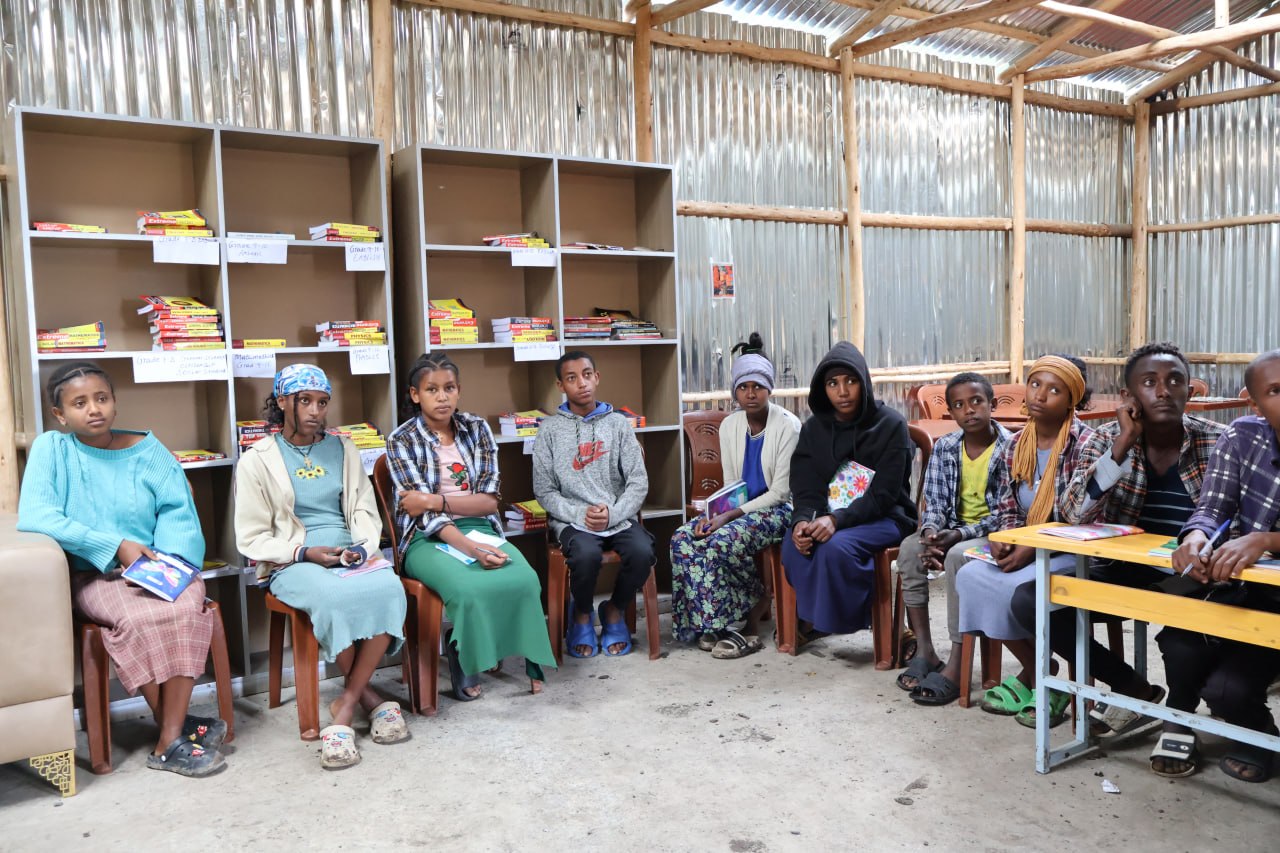
Thousands of destitute children who would have been deprived of basic education have completed their schooling, with hundreds graduating from university and securing sustainable employment to support themselves and their families.

Hundreds of young farmers and secondary school completers facing unemployment have gained practical vocational skills (dairy, poultry, agriculture, catering, and trade), enabling them to build successful livelihoods.

Hundreds of young women (ages 18–30) have improved their economic independence through Self-Help Groups (SHGs) and Income Generating Activities (IGAs), building self-reliance and advocating for their rights in community spaces.

Thousands of Internally Displaced Persons (IDPs) have received life-saving emergency relief and rehabilitation, while rural families have gained vital access to safe potable water and improved sanitation.
Our 2030 Goals
15,000 Youth & Farmers
Empowered to build food security and escape poverty for good.
15,000 Young Women
Supported through IGAs to generate income for their families.
45,000 Community Members & IDPs
Provided with relief, emergency support, and sustainable rehabilitation.
15,000 Rural Residents
Gained reliable access to clean and safe drinking water.
17,600 Vulnerable Children & Adults
Enrolled in formal and non-formal educational opportunities.
Our Team
Administration and Management
The senior management staff of EAKBC-DC manages daily operations and ensures the strategic plan is followed according to schedule and budget. They are tasked with supervising the implementation of the SPM document and Annual Operational Plan (AOP) on a set timeline, while also overseeing timely submission of program implementation reports to the board, donors, and relevant government offices.
Board of Directors
The Executive Board of Directors consists of 7 volunteer members with leadership and oversight experience. They possess skills in goal-setting and strategic planning, acting as advisors and policymakers for the organization. The board meets quarterly and may hold additional extraordinary meetings as necessary.
General Assembly
The General Assembly, the supreme body of the organization, consists of experienced members and meets annually to approve or reject the annual operational plan, program implementations, audit reports, policies from the Board of Directors, and other significant decisions. Extraordinary meetings may be convened as needed throughout the year.
Target Groups/beneficiaries
The General Assembly, the supreme body of the organization, consists of experienced members and meets annually to approve or reject the annual operational plan, program implementations, audit reports, policies from the Board of Directors, and other significant decisions. Extraordinary meetings may be convened as needed throughout the year.